
Nintendo company guide 2015 — cover sleeve
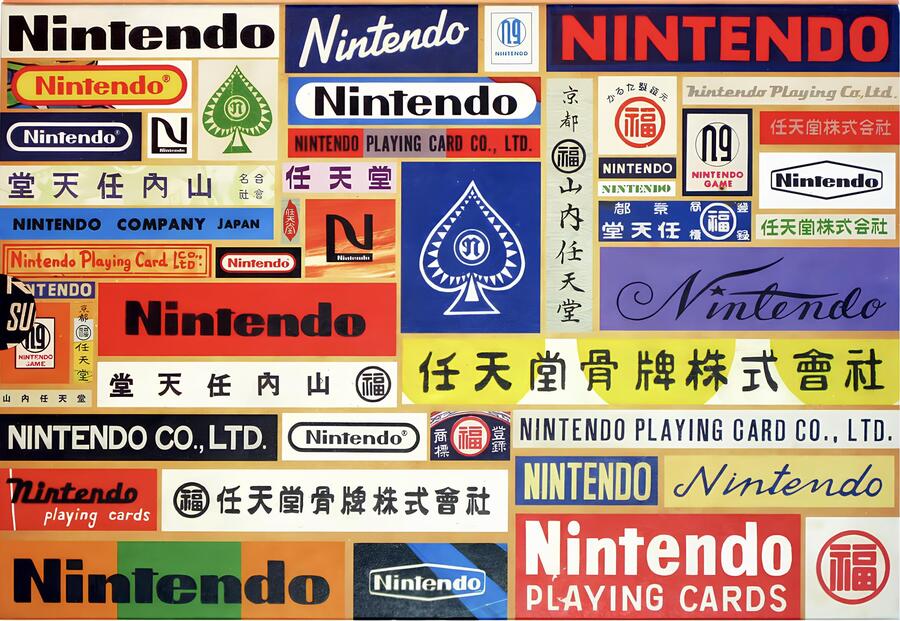
Nintendo is a Japanese entertainment company headquartered in Kyoto. It was founded in 1889 by Fusajiro Yamauchi as a manufacturer of hanafuda playing cards. One of the most important features of the brand is that its history did not begin with video games.
Over more than a century, Nintendo developed from a playing card and toy manufacturer into a producer of arcade machines, handheld devices, home consoles, games, applications and digital services. For this reason, its identity is built not only around technology, but around the broader idea of play as an accessible cultural and emotional experience.
On its official corporate website, Nintendo describes its mission as creating unique forms of entertainment that bring smiles to people around the world.
Nintendo began developing electronic entertainment products during the second half of the twentieth century. Donkey Kong, released as an arcade game in 1981, became one of the company’s first international successes. It also introduced a wider audience to Jumpman, the character who later became Mario.
In 1983, Nintendo released the Family Computer in Japan. Two years later, the Nintendo Entertainment System entered the North American market and became one of the major symbols of the recovery of the home console industry.
Nintendo later continued to develop both handheld and home gaming formats through the Game Boy, Nintendo DS, Wii, Nintendo Switch and Nintendo Switch 2.
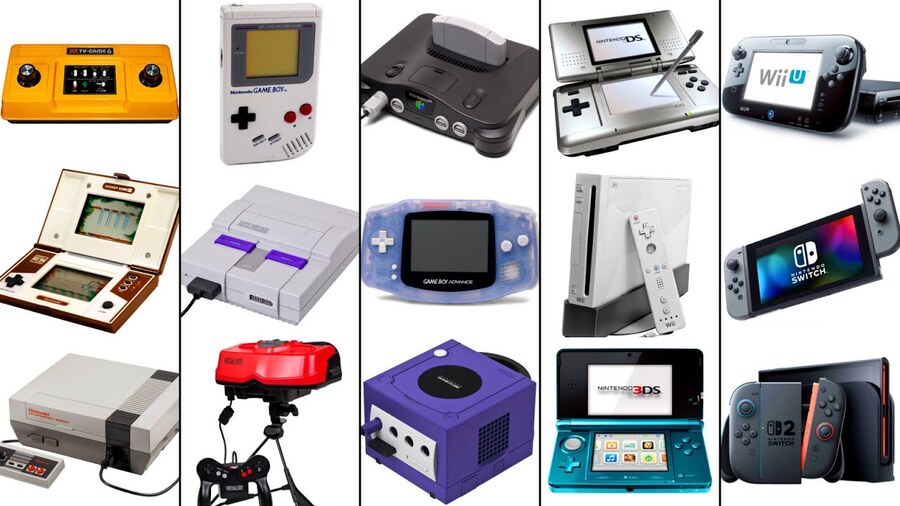
Timeline Nintendo consoles list in order
Nintendo rarely competes only through processing power or graphic realism. Instead, the company normally introduces a new way of interacting with games.
Game Boy made gaming portable. Nintendo DS introduced two screens and touch controls. Wii used physical movement. Nintendo Switch combined handheld, tabletop and television-based play. Nintendo’s main projects are also not limited to devices. Super Mario, Donkey Kong, The Legend of Zelda, Metroid, Kirby, Animal Crossing, Pikmin and Splatoon function as long-lasting fictional worlds.
They continue through games, films, merchandise, applications, concerts, official stores and theme parks. Nintendo can therefore be understood as a creator of entertainment ecosystems rather than only as a console manufacturer.
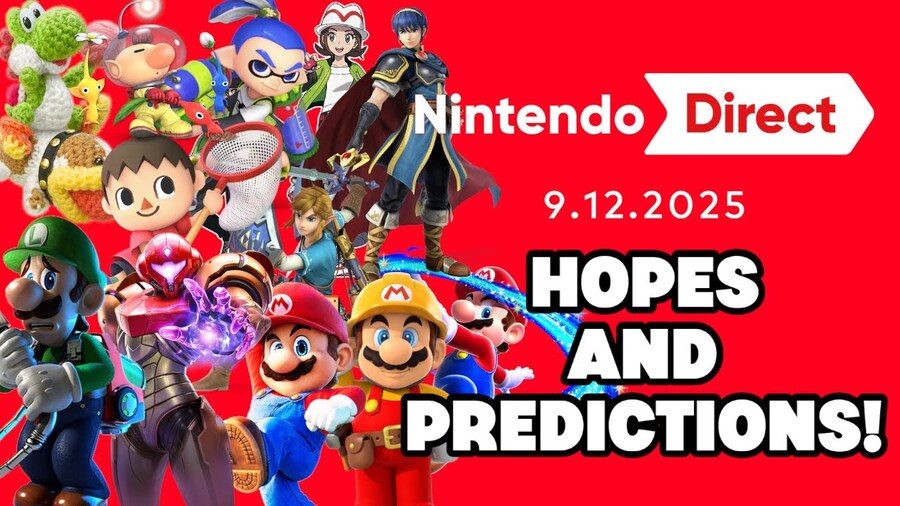
Nintendo’s communication strategy is largely based on direct contact with its audience through channels controlled by the company. The most recognisable example is Nintendo Direct, a series of video presentations used to introduce games, updates, services and consoles. Nintendo Direct allows the company to communicate major announcements without depending entirely on journalists, gaming exhibitions or traditional media.
A presentation may cover several upcoming products, focus on one game or introduce projects produced by partner studios. This gives Nintendo control over the timing, sequence and visual presentation of its message. Trailers, gameplay, developers and release information are organised into one carefully structured media event.
Nintendo’s communication strategy is based on direct contact with its audience through channels controlled by the company. The most important example is Nintendo Direct, a series of video presentations used to announce games, consoles, services and updates without relying entirely on journalists or gaming exhibitions. By combining trailers, gameplay footage, developer appearances and release information in one structured event, Nintendo controls the timing and presentation of its message.
Nintendo Direct also functions as a community event. Fans discuss rumours and expectations before each presentation, watch announcements together and later create reactions, reviews and analytical content. This strategy is supported by
Nintendo Treehouse: Live, which provides longer gameplay demonstrations and detailed explanations of controls and mechanics. While Nintendo Direct generates attention and shapes the official narrative, Treehouse helps highly involved audiences evaluate products in greater depth.
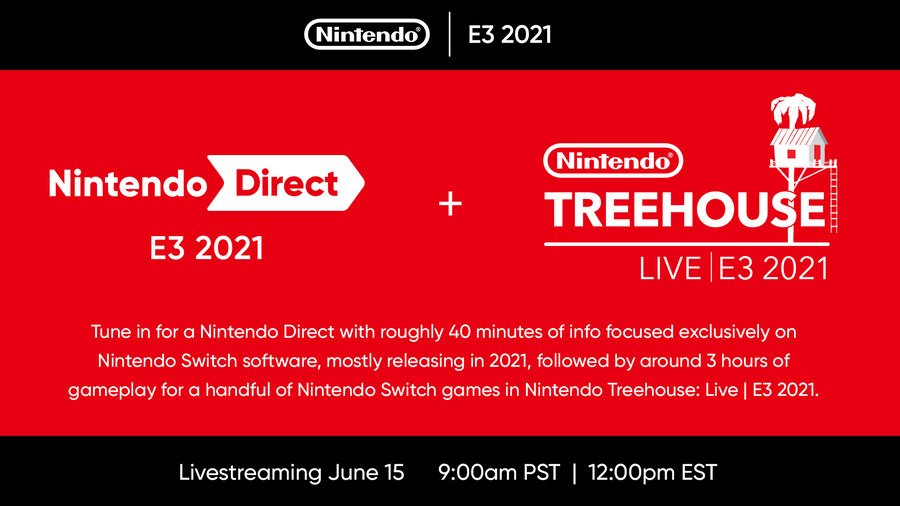
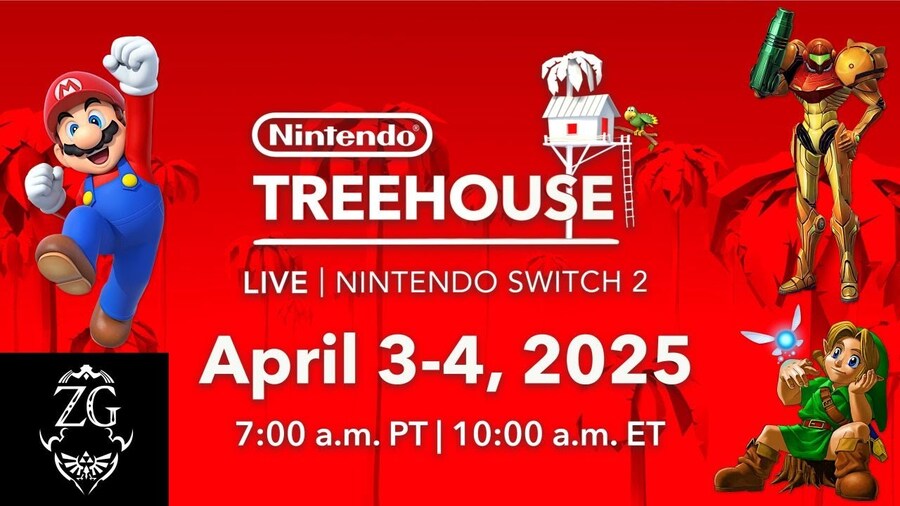
Direct announces; Treehouse demonstrates.
Another important communication level is Nintendo’s digital infrastructure. It includes regional websites, Nintendo eShop, Nintendo Music, My Nintendo, email newsletters, mobile applications and customer support.
These channels combine promotion, purchasing and service. A user can discover a game, watch a trailer, compare editions, purchase it, receive rewards, check compatibility and request technical assistance within the Nintendo ecosystem. Communication therefore continues after the initial purchase. The relationship is maintained through software updates, recommendations, subscriptions, loyalty systems and support.
Nintendo Music extends audience engagement.
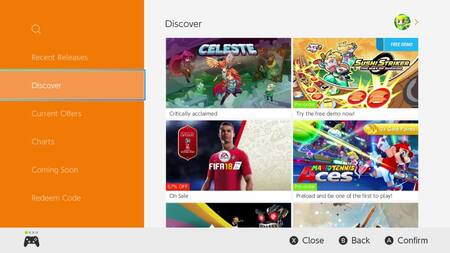
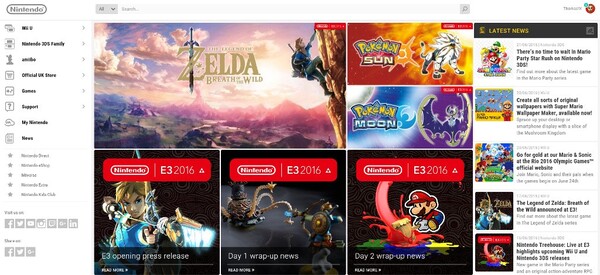
Nintendo eShop supports product discovery and purchase.
Another important communication level is Nintendo’s digital infrastructure. It includes regional websites, Nintendo eShop, Nintendo Account, My Nintendo, email newsletters, mobile applications and customer support.
These channels combine promotion, purchasing and service. A user can discover a game, watch a trailer, compare editions, purchase it, receive rewards, check compatibility and request technical assistance within the Nintendo ecosystem.
Communication therefore continues after the initial purchase. The relationship is maintained through software updates, recommendations, subscriptions, loyalty systems and support.
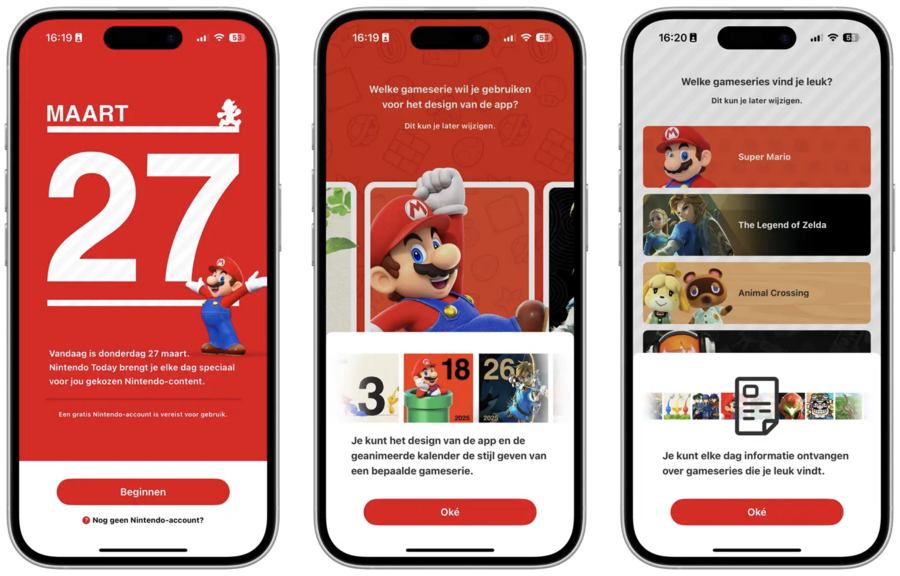
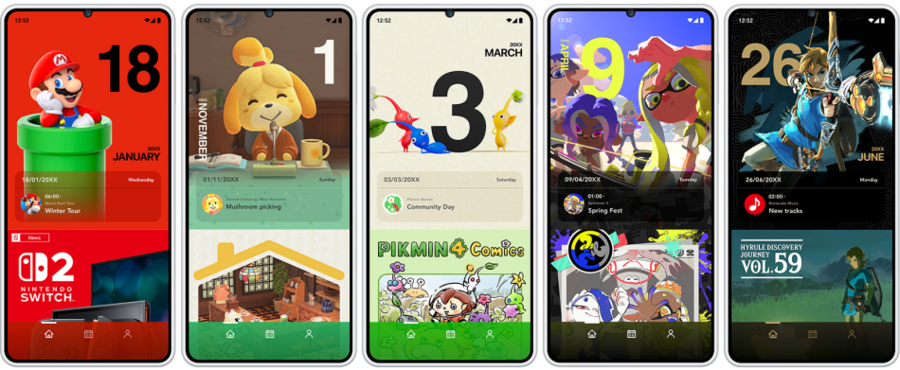
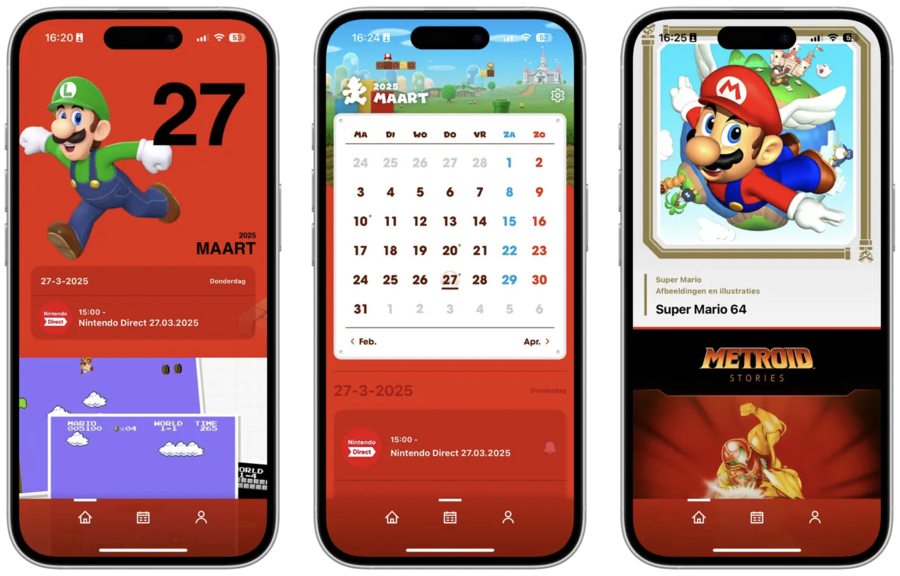
Nintendo Today! maintains daily contact.
The Elaboration Likelihood Model (ELM), developed by Richard Petty and John Cacioppo, explains how people process persuasive messages. The central route involves careful evaluation of arguments and product information. The peripheral route relies on cues such as familiar characters, colour, music, celebrities and emotion.
The same campaign can use both routes. Nintendo often combines factual information with familiar characters and emotional associations to make products both understandable and appealing.
Central route (Nintendo Switch 2)
Nintendo activates the central route when a purchase involves significant cost, risk or personal relevance. This applies to experienced players comparing consoles, parents evaluating safety and users deciding whether to upgrade from the original Nintendo Switch.
For these audiences, Nintendo provides product pages, extended gameplay demonstrations, compatibility information, parental-control materials and developer explanations. The consumer must consider whether new functions are useful, whether existing games remain compatible and whether the price is justified.
The success of this communication therefore depends on the strength and clarity of the arguments. Attractive imagery may create attention, but it cannot independently provide enough information for a high-involvement purchasing decision.
Nintendo Switch 2: a new generation.
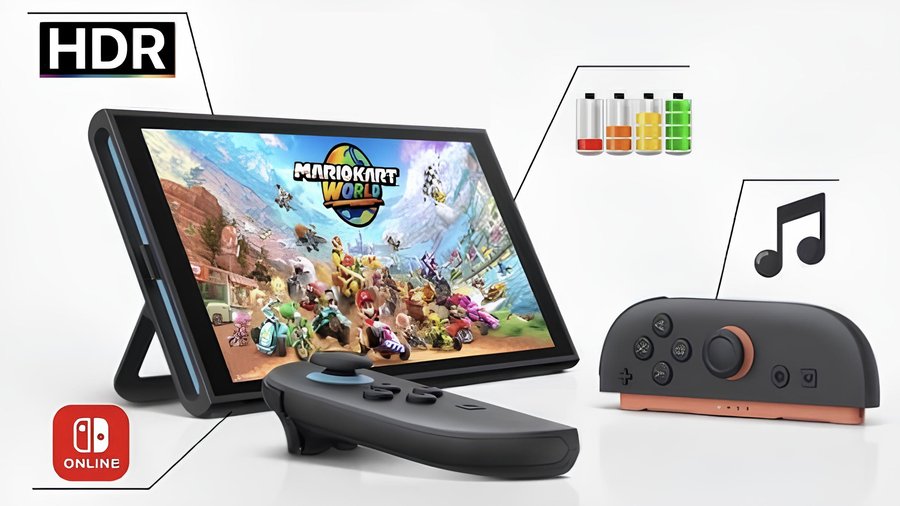
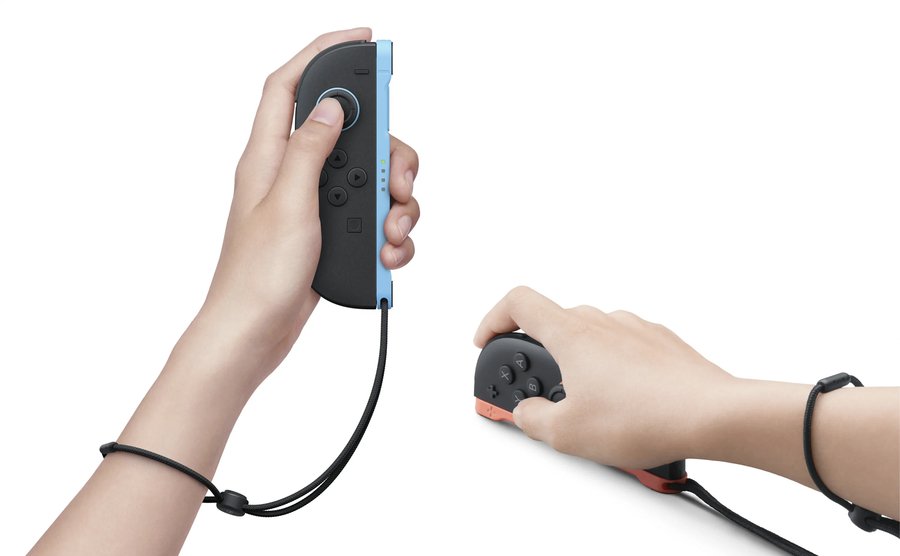
Nintendo Switch 2 provides a clear example of central-route persuasion. Nintendo highlighted the larger display, Joy-Con 2 controllers, mouse-style controls, stronger performance, backward compatibility and GameChat.
These features were presented through practical benefits. Backward compatibility reduces the risk of losing access to existing games, GameChat adds social value, and the larger screen improves portable play.
Consumers are encouraged to compare the new system with the original Nintendo Switch and evaluate whether these improvements justify an upgrade. This is central-route persuasion because the decision depends on concrete arguments.
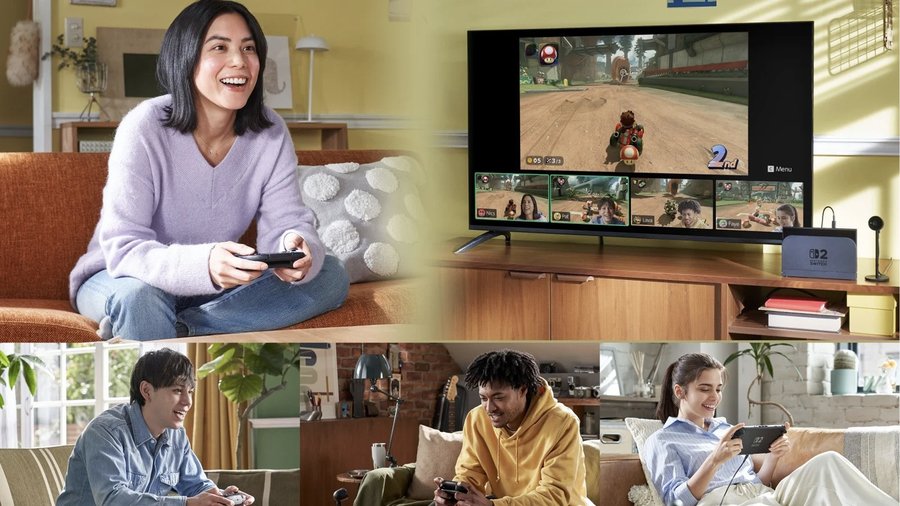
Product features support rational evaluation.
Peripheral route (Nostalgia)
Mario’s evolution activates nostalgia.
The peripheral route becomes more influential when consumers have limited motivation, limited attention or little interest in technical information. Nintendo activates this route through its recognisable corporate identity, familiar game imagery, music, humour, celebrity involvement and nostalgia.
A person may respond positively because the communication resembles an experience already associated with enjoyment or childhood. The familiar source creates trust before detailed product evaluation begins.
Peripheral cues are not necessarily meaningless. They help a message receive attention and communicate an emotional tone quickly. However, they do not independently demonstrate the practical quality of the product. Their main function is to make the audience interested and emotionally receptive.
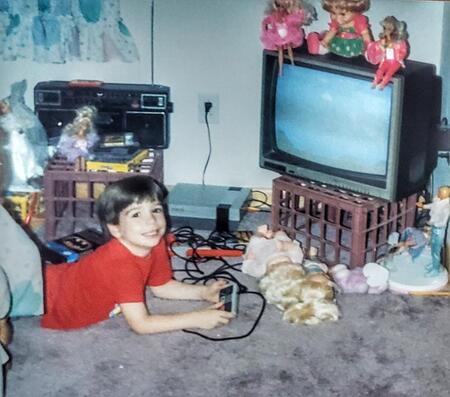
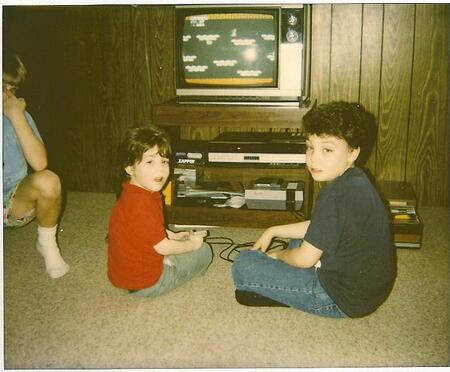
Nintendo as a childhood memory.
Nostalgia is one of Nintendo’s strongest peripheral mechanisms. Adults who played Nintendo games during childhood already have positive memories connected with the brand’s characters, music and visual style.
New products can reactivate these memories and make consumers feel that they are continuing a familiar experience rather than discovering something completely new.
A clear example is Nintendo’s use of Paul Rudd in both the 1991 Super Nintendo commercial and the 2025 Nintendo Switch 2 campaign. By recreating elements of the earlier advertisement, Nintendo connected a new console with the audience’s existing memories.
Nintendo advertisements also frequently show families and friends playing together at home or while travelling. For example, many Nintendo Switch commercials focus on shared experiences rather than technical specifications.
Paul Rudd in both the 1991 Super Nintendo commercial and the 2025 Nintendo Switch 2 campaign
As a result, the product becomes associated not only with gameplay, but also with friendship, relaxation and spending time together. This emotional setting can influence consumers who do not closely compare hardware features.