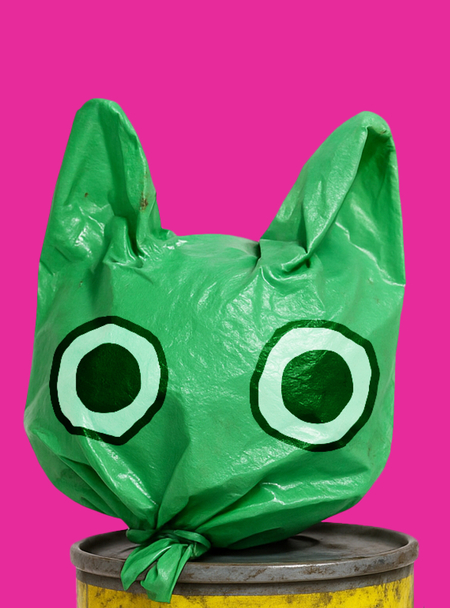
Communication Strategy for SCRAPS
General Theoretical Framework: Communication Theory within Design Practice
Within contemporary design practice, communication functions not merely as message transmission but as a systemic, meaning-making process shaped by symbols, context, and interpretation. As discussed in the course materials, communication is «a relational process of creating and interpreting messages» and is inherently influenced by context, feedback, and symbolic representation. Design operates within the same logic: visual systems, objects, interfaces, and brand narratives are all constructed as symbolic messages that must be encoded by designers and decoded by users.
Craig’s Seven Traditions provide an especially useful lens for the design field. From a semiotic perspective, design is fundamentally a system of signs and symbols — colors, textures, forms, and materials all operate as communicative «codes» carrying meaning. A socio-cultural perspective further situates design within shared practices and cultural contexts, illustrating how objects participate in reproducing or challenging social norms. Meanwhile, the phenomenological tradition helps explain how users experience a brand or product individually, through personal interpretation and emotional resonance.
Design communication is best understood not as a linear presentation of visuals but as a complex interaction between creators and audiences, shaped by context, prior knowledge, expectations, and cultural meaning. A communication strategy in design must therefore deliberately manage:
— Encoding of meaning (concept, aesthetics, narrative)
— Decoding processes (audience expectations, cultural frameworks)
— Feedback loops (community interaction, social media, user content)
— Relational dynamics between brand and audience (identity, trust, emotional connection)
SCRAPS, with its focus on narrative world-building, symbolic materials, and emotional engagement, provides a strong case for applying communication theory directly within design practice.
Presentation of the Brand for a Broad Audience
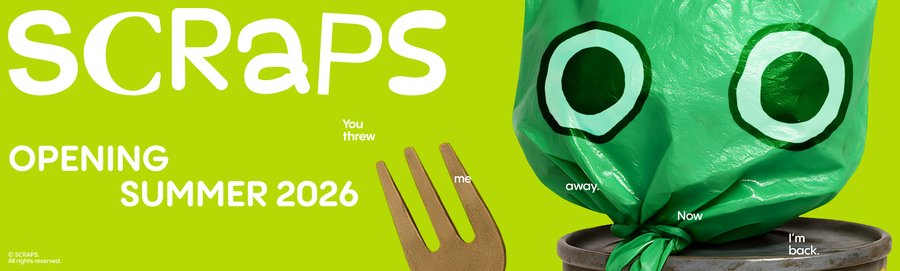
SCRAPS are little creatures born from runaway smart polymer, hiding inside human trash.
Each Scraps is a tiny character using trash fragments as body, clothing, or armor.
Every fragment is a memory. Every Scraps is a story.
Their logic is adorable, confused, and surprisingly insightful.
We celebrate the magic hidden in the overlooked. Our brand values are nostalgia, beauty of imperfection, curiosity, light humor and conscious use of materials.
Every box is a discovery: you never know which creature joins your collection. Unboxing becomes storytelling.
For people who enjoy the strange, the rare, the endearing.
Find your creature. Build your story.
Presentation for a Professional Audience (Designers, Illustrators, Toy Artists)
A conceptual art-toy brand built from narrative, materiality, and imperfection that merges storytelling, character design, and recycled aesthetics.

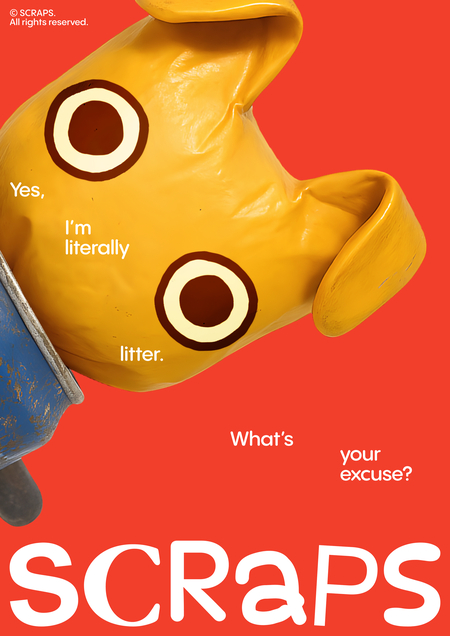
Designed to feel «assembled, ” not manufactured. Rounded silhouettes, mismatched components, visible seams and textures and playful asymmetry are essential.
A brand world is built from accidental aesthetics. Fused plastic, uneven surfaces, simulated wear, and printed leftovers let the tactility communicate the story.
Our audience is a niche but highly engaged cultural segment which includes art toy collectors, character designers, illustrators and 3D artists, craft and DIY communities and eco-inspired creatives.
Multi-layered communication across platforms is built on narrative snippets, «found object» visuals, short character monologues, mixed-media content, community interactions, etc.
Scraps are positioned between art object and toy ecosystem. Distinctive narrative, strong tactile identity, high emotional engagement, modular universe and easily expandable product system are their key strengths.
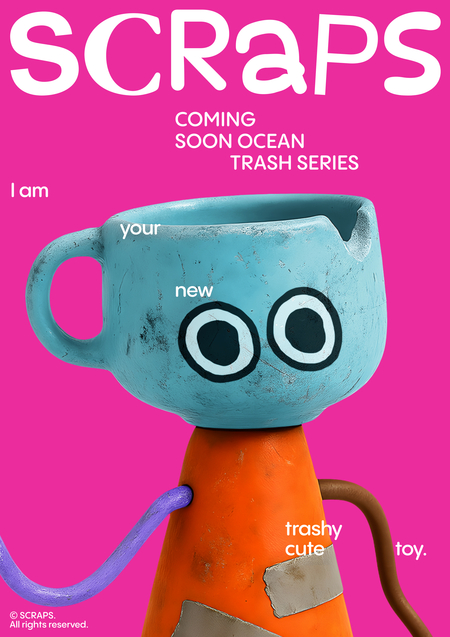
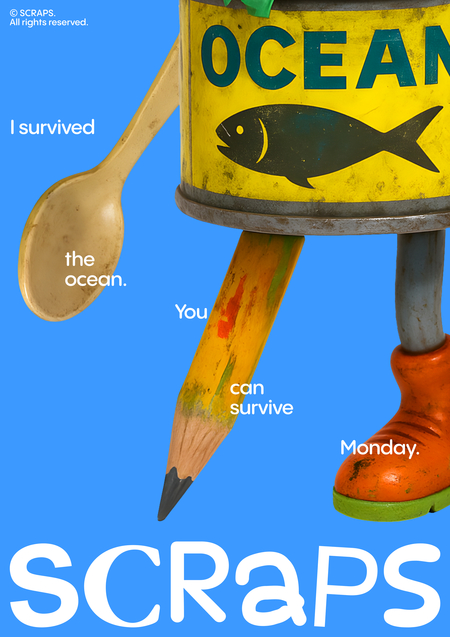
SCRAPS An art-toy universe built from fragments, stories, and delightful misunderstandings.
Rationale Behind the Strategy: Theoretical Foundations and Practical Application
Using the theoretical groundwork above, SCRAPS is communicated to a general audience through a semiotic and socio-cultural communication strategy. The brand’s core message — «beauty in imperfection, curiosity toward the everyday, and emotional storytelling through discarded objects» — is encoded into every visual and verbal element.
Message Framing (Semiotic Tradition)
SCRAPS figurines embody symbolic meaning through:
— Recycled textures symbolizing nostalgia and environmental consciousness without moralizing
— Soft, imperfect shapes representing vulnerability and naivety
— «Found object» aesthetics as signs of human culture observed from an outsider’s perspective These signs encourage audiences to decode SCRAPS as quirky, emotionally warm, story-driven.
Narrative as Communication (Socio-Cultural Tradition)
SCRAPS leverages shared cultural symbols: childhood memories of collecting objects, DIY craft practices, and contemporary upcycle aesthetics. The characters misinterpret human culture, allowing audiences to reflect on their own habits from a novel viewpoint. The narrative forms a socio-cultural dialogue between brand and public.
Audience and Purpose
For a general audience, the objectives of SCRAPS’ communication are:
— To present the brand as an emotionally meaningful and accessible art-toy universe
— To articulate its values: nostalgia, curiosity, aestheticized waste, and the beauty of imperfection
— To initiate relational communication that fosters attachment and collectibility
Thus, SCRAPS' communication seeks not only to inform, but to create a shared meaning system in which audiences emotionally invest.
Focus on Frameworks and Processes
Professionals are presented with:
— Detailed explanations of material choices (fused plastic packaging, textural studies)
— Concept articulation regarding symbolic representation of waste and memory
— Documentation of iterative prototyping and character development
— Insight into the internal logic of the «incorrect interpretations» mechanic
This communication appeals to a design-literate audience by revealing intentionality, aligning with the rhetorical tradition’s focus on structured and persuasive expression.
Phenomenology: Communicating User Experience
The brand highlights how SCRAPS figures are meant to be:
— Tactile and emotionally engaging
— Interpreted differently by each collector
— Experienced as part collectible object, part narrative artifact
By acknowledging individual perception as central, SCRAPS aligns itself with phenomenological communication theory, establishing credibility with designers who value user-centered interpretation.
Robert T. Craig Communication Theory as a Field // Communication Theory. — 1999. — № 9. — С. 119-161.
Griffin, E. A First Look at Communication Theory. — 3 изд. — Колумбус: McGraw-Hill Companies, 1996. — 528 с.
Hall, S. Representation: Cultural Representations and Signifying Practices. — 1 изд. — Торонто: Sage Publications & Open University, 1997. — 400 с.
Barthes, R. Elements of Semiology. — 3 изд. — Нью-Йорк: Hill and Wang, 1977. — 120 с.
Merleau-Ponty, M. Phenomenology of Perception. — Лондон: Forgotten Books, 2018. — 492 с.
Goffman, E. The Presentation of Self in Everyday Life. — Лондон: Vintage Books, 1959. — 259 с.
AI renders