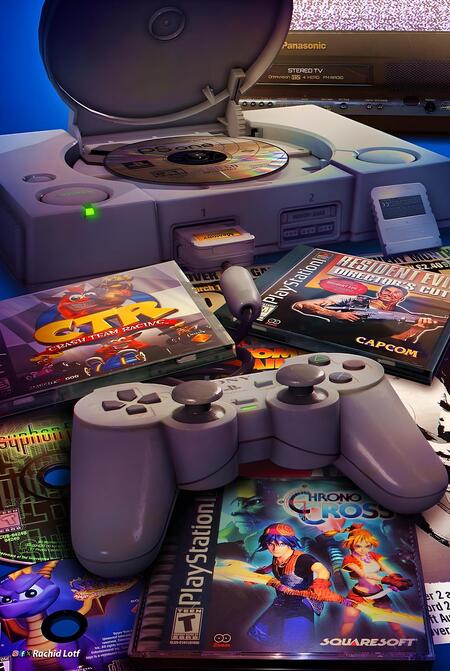
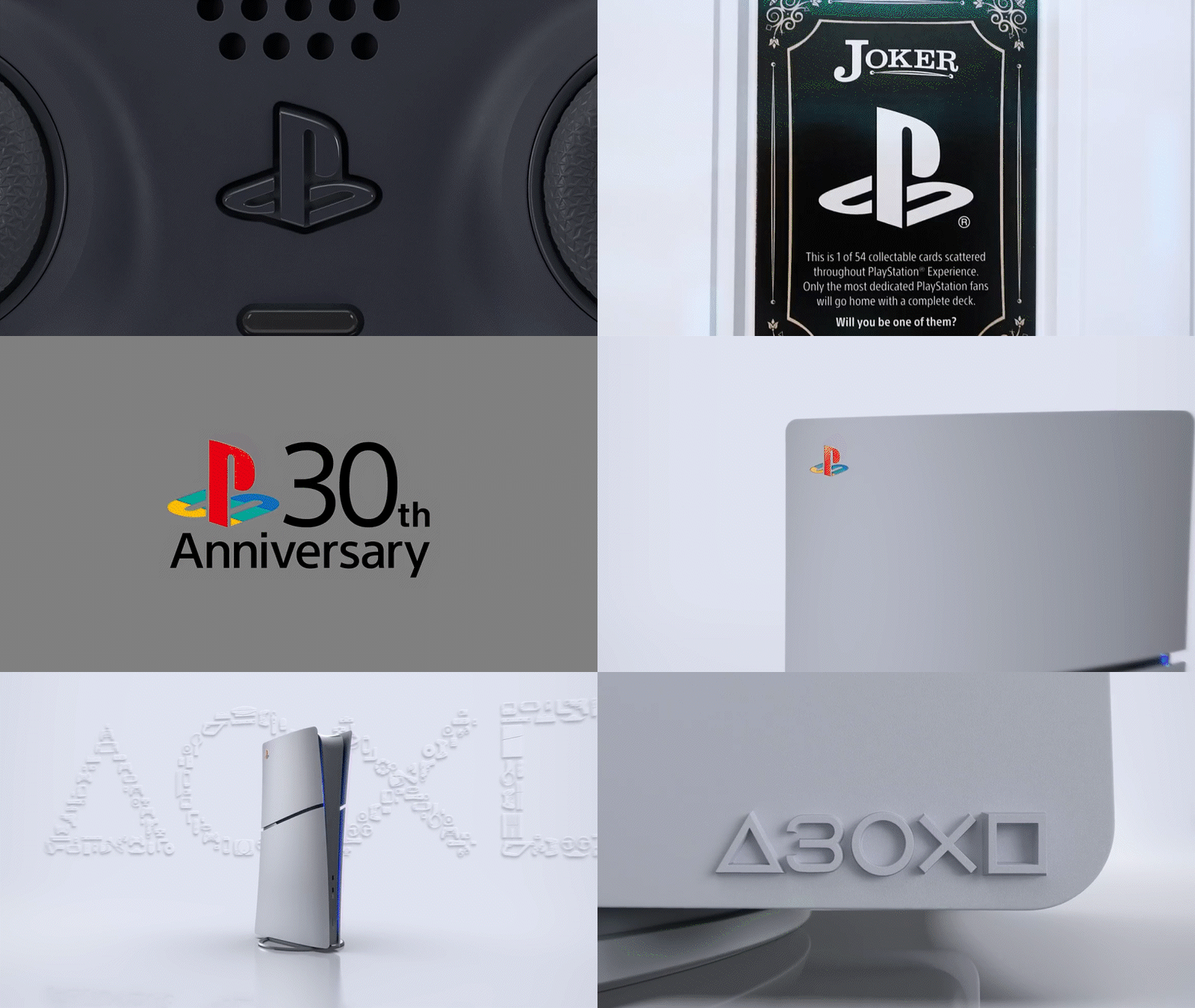
PlayStation 30th Anniversary Collection, 2024
Sony PlayStation is one of the most well-known brands in the video game industry and belongs to Sony, a Japanese technology and entertainment company founded in Tokyo in 1946. The PlayStation brand itself was introduced in 1994 with the release of the first PlayStation console in Japan.
Since then, the brand has become one of the leading gaming platforms in the world, specializing in the development of gaming consoles, exclusive games, and digital services for gamers worldwide. Also, PlayStation has around 125 million active users per month.
We are specifically focusing on PlayStation gaming consoles because they are distinguished by high performance, modern technologies, a wide selection of games, and a convenient entertainment ecosystem. PlayStation successfully builds communication with its audience by demonstrating the advantages of its consoles through modern marketing tools and interactive engagement with users.
Since its launch, the PlayStation brand has evolved through several generations of gaming consoles: the original PlayStation (1994), PlayStation 2 (2000), PlayStation 3 (2006), PlayStation 4 (2013), PlayStation 5 (2020) and PlayStation 5 Pro (2024). Each new generation introduced significant technological improvements, including enhanced graphics, higher performance, new gameplay features, and expanded online services, helping PlayStation maintain its position as one of the leading gaming platforms in the world.
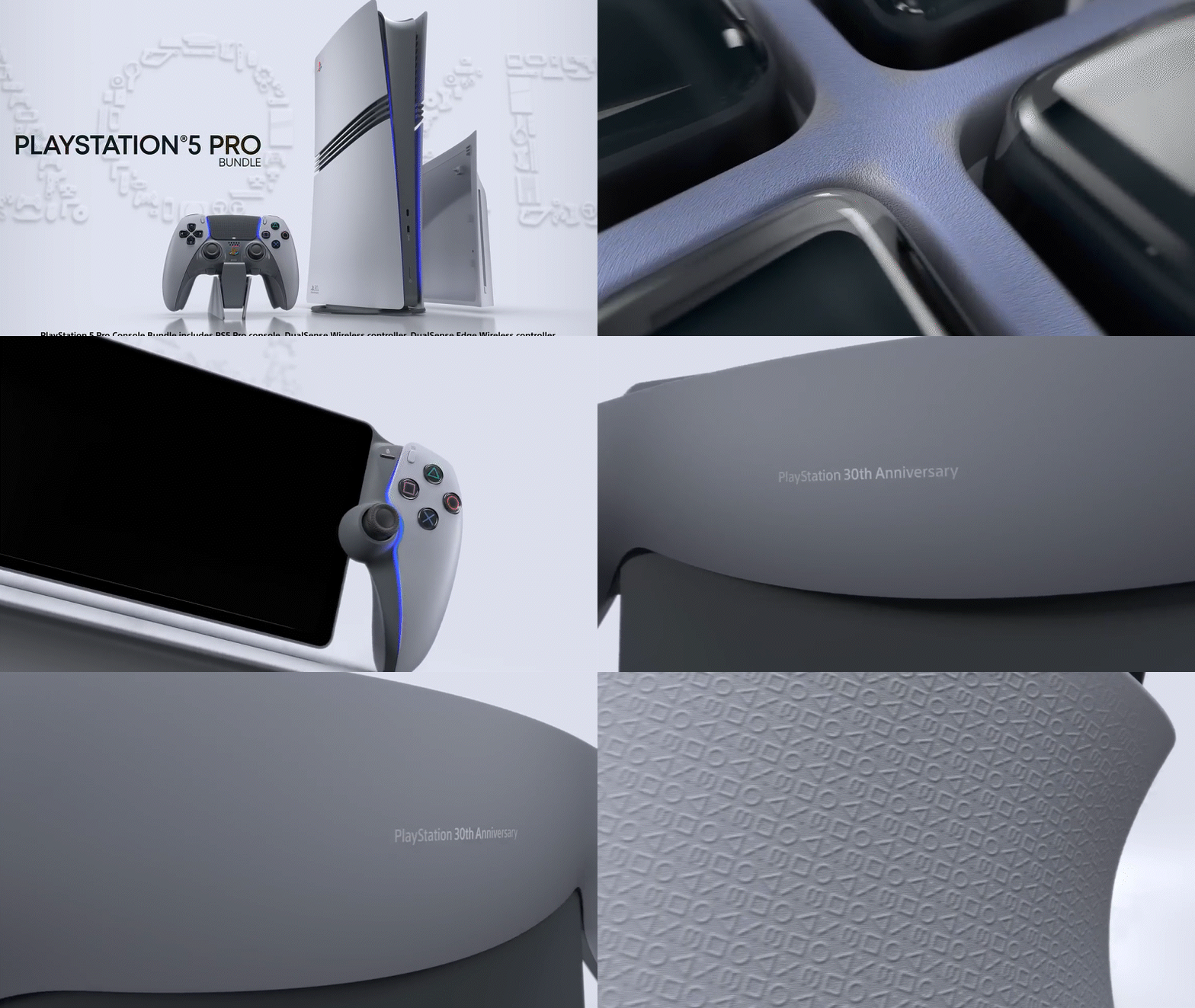
PlayStation 30th Anniversary Collection, 2024
1. Comparison of the very first and last console: Pinterest, @Fares Fares, 2026 2. Pinterest, @pinslina, 2026
Key Positioning
Ken Kutaragi, PlayStation 3 presentation, 2005
The brand builds its communication around the slogan «Play Has No Limits,» which conveys the idea of boundless possibilities on PS and through PlayStation Plus services. Storytelling focuses on iconic franchises, DualSense controller innovations, and community achievements — all of which reinforce an image rooted in artful gaming experiences. The PS5, with its ultra-high-speed SSD, ray tracing, and 4K visuals, represents the cutting edge of modern console technology — delivering load times and graphical fidelity that were simply impossible on previous generations.
Another iconic slogan — «Live In Your World. Play In Ours.» — reflects the brand’s mission: to give players a truly immersive experience that stands apart from everyday reality. Today, that immersion goes beyond visuals: the DualSense controller’s haptic feedback and adaptive triggers let players physically feel rain, resistance, and tension — making the experience not just something you see, but something you feel.
PR strategies
• PlayStation turns games into TV shows and films. The Last of Us became a hit series on HBO. Uncharted was released as a feature film. When a game becomes a series, people who don’t play games at all discover PlayStation — and some of them end up buying a console.
• On top of that, PlayStation sponsors events that the entire world watches. The UEFA Champions League is one example. Billions of people watch football, many of whom may have never visited the PlayStation website. But the logo appears on screen, and the brand sticks in people’s minds. This is classic image-driven PR: not selling right now, but building recognition.
• PlayStation also leverages data about its players. They know what you play, how many hours you spend, and what you buy. Based on this, they show you ads for exactly the games you’re likely to be interested in. This approach makes advertising less intrusive and significantly more effective.
• PlayStation creates hype before every major release. Months before a game launches, teasers, cryptic posts, and trailers begin to appear. By the time the game is out, the entire internet is already buzzing — often without heavy ad spending. The anticipation itself becomes the marketing.
• PlayStation works closely with streamers and content creators. By sending consoles and games to popular YouTubers and Twitch streamers before the official release, they ensure that millions of viewers see the product through the eyes of someone they trust. A large part of this works organically — fans create their own videos, posts, and screenshots, effectively doing the marketing themselves.
• Finally, PlayStation runs its own announcement show — State of Play. Rather than waiting for industry events like E3, PlayStation broadcasts its own live streams where it reveals trailers, release dates, and new titles. This gives the brand full control over its message and guarantees a media moment every time it goes live.
PlayStation x UEFA Champions League
Communication Channels & Social Media
PlayStation maintains a strong presence across all major social media platforms. Twitter (X) is the brand’s most powerful channel, with over 43.7 million followers — the largest following of any gaming brand on the platform. Instagram is used for visually driven content such as game artwork and cinematic screenshots. YouTube hosts official trailers, State of Play broadcasts, and developer content. TikTok targets younger audiences through short-form clips and trending formats, while Twitch is used for live game launches and community streaming events.
Beyond social media, PlayStation runs its own PlayStation Blog — a direct communication channel where the brand publishes announcements and developer interviews without relying on third-party press. The PlayStation app delivers personalized push notifications and emails based on each user’s play history and preferences.
Game development content on YouTube «Concord — Launch and the Adventure Ahead».
Offline, PlayStation releases merchandise built around its most iconic characters — figures of Kratos, Ellie, and Spider-Man regularly sell out worldwide. Fans display, wear, and photograph this merch, then share it on Instagram and TikTok, organically spreading the brand far beyond the gaming audience. At events like Gamescom, PlayStation builds experiential zones with demos and limited-edition items that attendees almost always post on social media — generating a wave of free user-generated content. In retail stores worldwide, branded displays and demo stations turn the point of sale into a full brand experience.

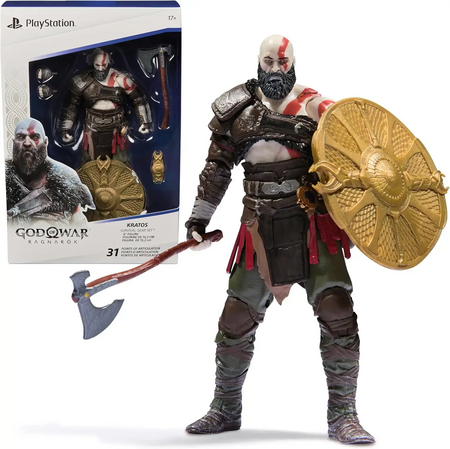
1. Spideman 2 x PlayStation 5, 2023 2. Kratos x PlayStation, 2018
Target Audience
The research uses ABCDX segmentation — a method of dividing the audience based on product demand, willingness to purchase, and consumer behavior patterns. A segment — highly interested consumers who are ready to purchase quickly and spend actively.
• B segment — users who are interested in the product but still have some doubts before purchasing; • C segment — an audience with lower involvement and higher price sensitivity; • D segment — users with a low probability of purchase and many objections; • X segment — the most valuable consumers with specific demands and strong brand loyalty.
A — AAA players. These are people aged 24–39 who follow the gaming industry and buy major releases immediately after launch. Exclusives, graphics, and a high-quality gaming experience are especially important to them.
B — Online players. Mostly teenagers and young people who enjoy competitive and cooperative games. For them, PlayStation is a way to communicate with friends and spend time together.
C — Family audience. Parents and children for whom simplicity, safety, and playing together are key. They usually choose bright and easy-to-understand family projects.
D — PS Plus users. This audience often buys games on sale, actively uses the subscription, and tries to get more content for less money.
X — Nostalgic audience. Players who value remakes, classic series, and Easter eggs. For them, PlayStation is closely tied to memories and beloved franchises.
Dialogic Theory
Dialogic Theory is based on an ongoing dialogue between an organization and its audience. The brand interacts with users honestly, listens to their opinions, and builds long-term relationships through five principles: mutuality, propinquity, empathy, risk, and commitment. From the perspective of mutuality, PlayStation perceives players as participants in a shared ecosystem. The company takes player feedback into account, conducts beta tests, reads comments, and responds to criticism. As a result, communication becomes more equal.
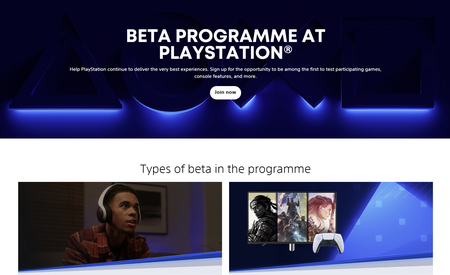
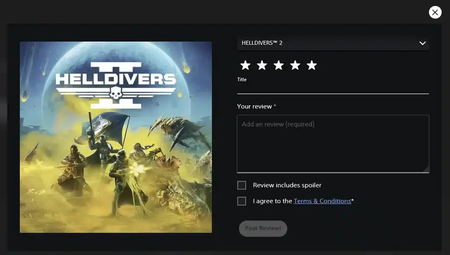
1. Beta testing on the official PlayStation website 2. Blank game review form
According to the principle of propinquity, dialogue should take place before important decisions are made. For PlayStation, this is especially important when changing PS Plus prices, updating games, or changing online features. One of the main problems is that when the company tries to satisfy one audience segment, another segment may remain dissatisfied.
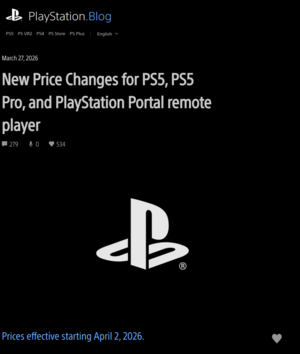
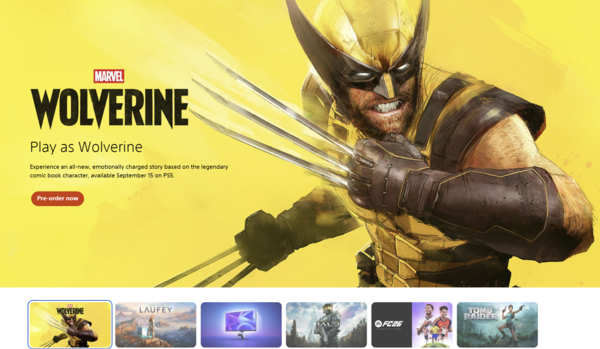
1. Post about price changes 2. Show new games on the website’s main page
In terms of empathy, the brand communicates differently with various audience segments. For example, for family players, PlayStation explains parental controls, age ratings, and safe gaming. For adult players, honesty about the quality of releases and development timelines is more important. The company adapts its strategy to this audience segment by bringing popular PC games to PlayStation and using celebrities in advertising. For example, Finn Wolfhard appeared in two PlayStation commercials, helping the brand connect with younger players. For PS Plus subscribers, transparency about pricing and the value of the subscription matters most.
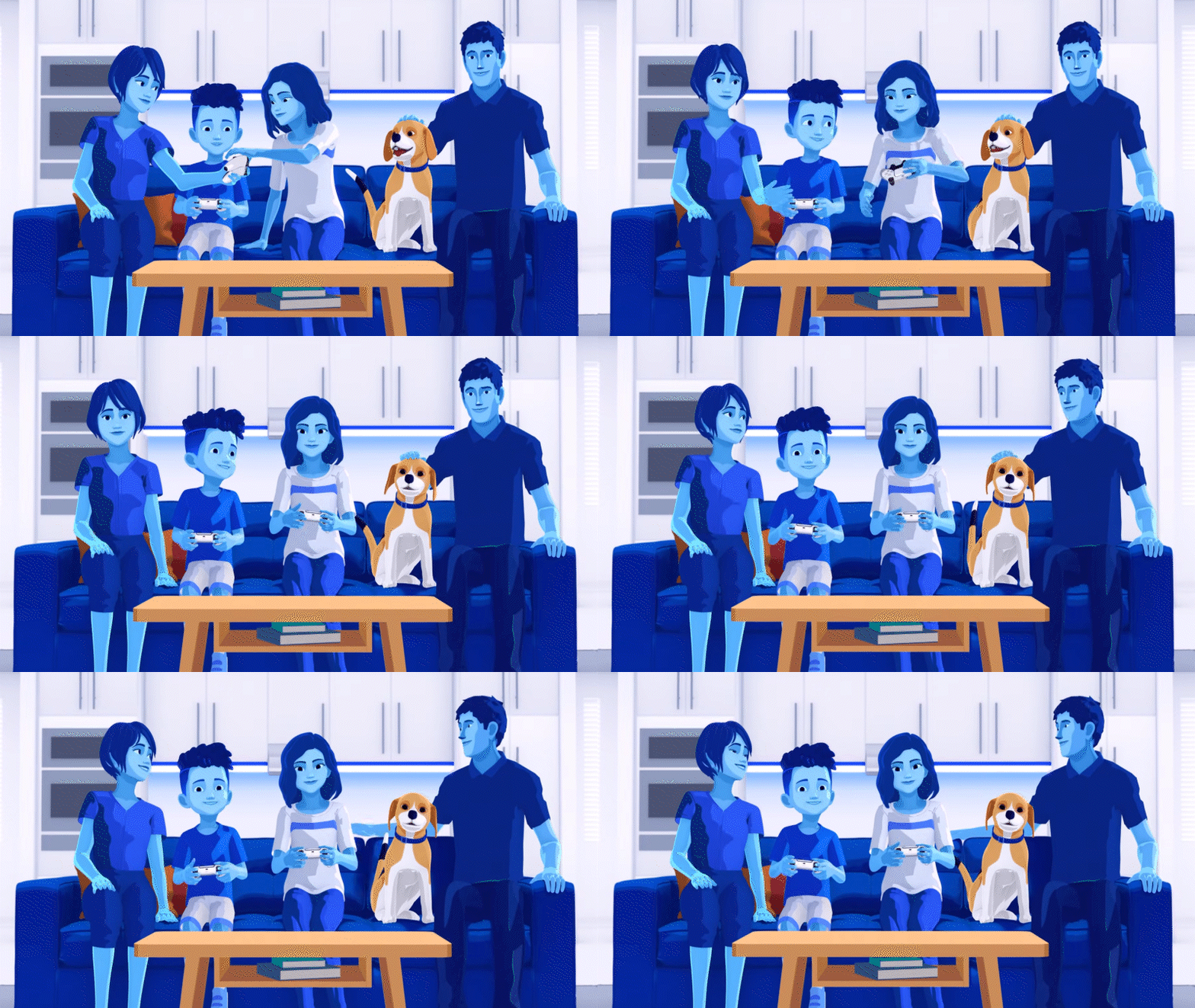
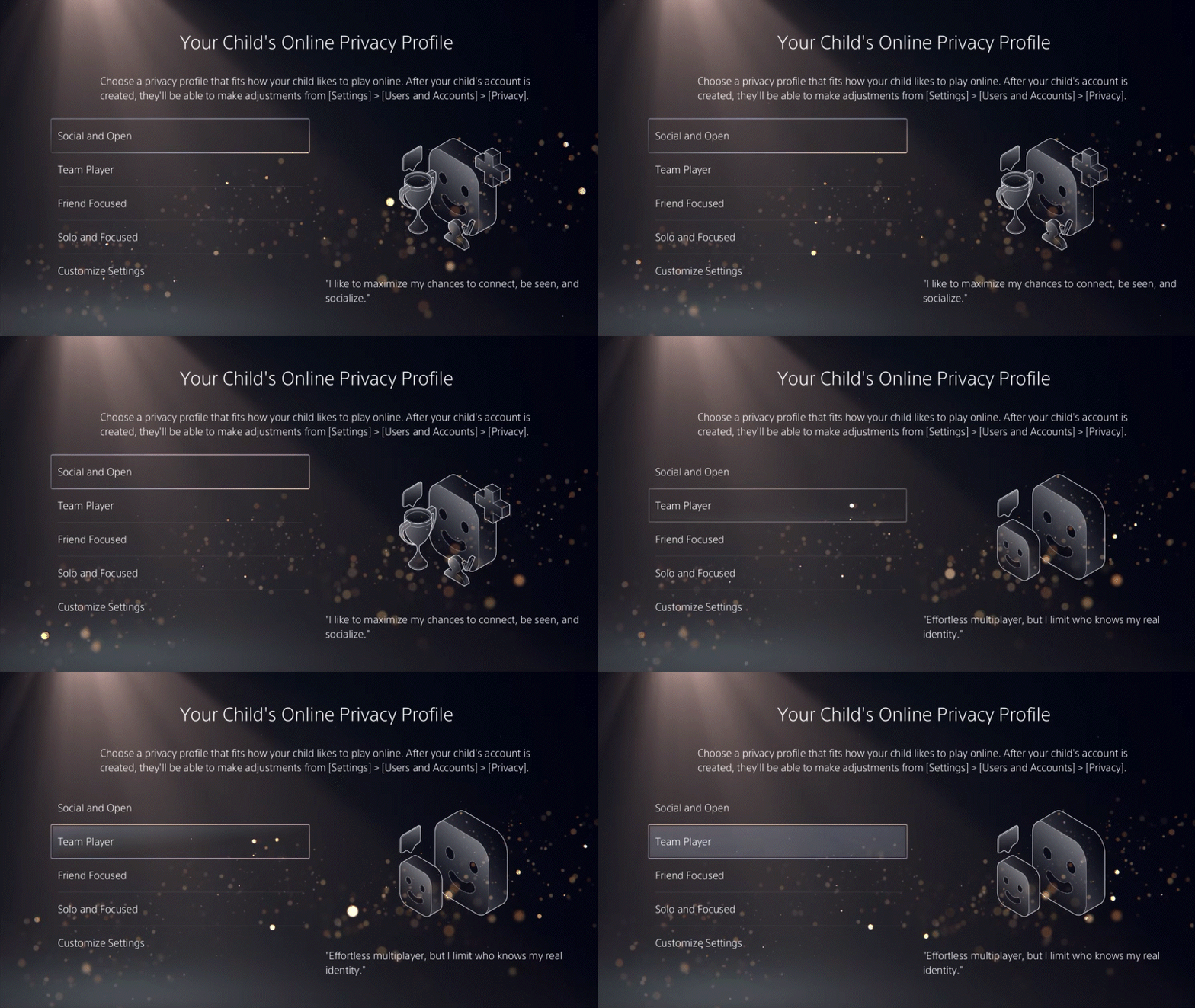
Video about parental controls on PS5
The principle of risk is connected with the possibility of criticism. The audience may react negatively to a delayed game, price increases, or a weak release. However, openness is more important than silence, because honest communication helps maintain trust even in difficult situations. For example, PS announces important news on its YouTube channel in advance.


1. Finn Wolfhard in the Astrobot game release, 2025 2. Devil May Cry is coming to PS5 from PC, 2020
PS5 Pro Technical Presentation hosted by Mark Cerny
Commitment means a long-term willingness to maintain relationships with the audience. For PlayStation, this means constant communication through PlayStation Blog, State of Play, YouTube, email newsletters, PS Store, Discord, Reddit, and other channels.