PART 1: Reflection on Communication Theory in Design
Communication theory transforms design from intuition into strategic practice. Every brand element — color, typography, messaging — is communication, not decoration.
Narrative Paradigm (Walter Fisher) positions humans as homo narrans — storytelling beings who process reality through narratives, not logic. For designers, this means: we don’t create visual identities, we create visual narratives. Every element must tell part of the brand story.
Fisher’s two criteria guide brand design: Narrative Coherence (internal consistency — all elements support one story) and Narrative Fidelity (resonance with audience experience — the story feels true to their lives).
Craig’s 7 Traditions
Craig’s 7 Traditions reveal communication’s multidimensionality. In design practice, we engage four traditions simultaneously:
Semiotic Tradition: Communication as symbol exchange. Design encodes cultural meanings—tea leaves, ceramics, calligraphy become symbols carrying tradition.
Phenomenological Tradition: Communication as lived experience. Design must convey not just information but embodied sensation—how participation feels.
Sociocultural Tradition: Communication creates social order. Brand design signals «who we are» and builds community identity.
Rhetorical Tradition: Communication as persuasion. Visual choices are arguments — minimalism argues for depth over superficiality.
Communication theory makes design intentional. It transforms subjective choices into evidence-based decisions. Designers who understand communication theory don’t just make «pretty pictures» — they construct meaning, shape relationships, and influence perception.
PART 2: Presentation for General Audience
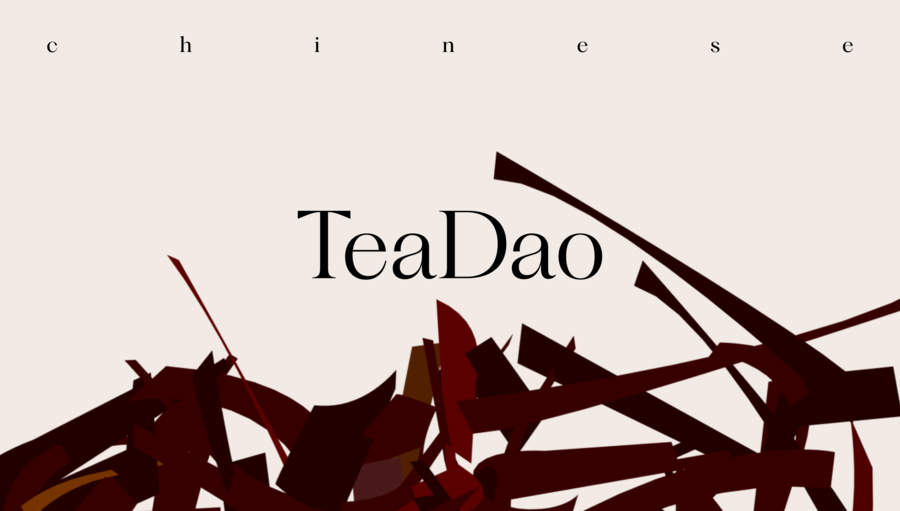
TeaDao is an international tea culture festival in Beijing— a two-month journey into Chinese tea philosophy through group ceremonies, expert lectures, artisan markets, and tastings.
This isn’t just a festival. It’s an experience for those who want to understand tea’s philosophy, not just taste it. In a world that accelerates, TeaDao invites you to slow down and discover the thousand-year stories behind each cup.
Our philosophy: Tea is process over product, philosophy over consumption, dialogue over transaction, tradition over trend. We make tea culture accessible without losing authenticity or depth.
What you’ll experience: Cultural immersion into tea traditions across dynasties. Expert knowledge from tea masters and scholars. Hands-on practice with authentic ceremonies and traditional tools. A community of people who value mindfulness and depth.
Program: Weekly group ceremonies, lecture series on tea history and philosophy, artisan markets every two weeks, daily tastings of rare varieties—pu’erh, oolong, white and green teas.
Who is TeaDao for? Anyone seeking understanding over consumption. Cultural travelers. Meditation practitioners. Those who value authenticity and are ready to slow down and immerse themselves. Your existing knowledge doesn’t matter — your curiosity does.
PART 3: Presentation for Professional Audience
Market Problem: Tea culture is reduced to product in mass perception. Consumers buy tea without understanding context, philosophy, or cultural significance.
Insight: For me, tea isn’t just a product — I want to understand its philosophy. An audience exists seeking meaning, not function.
Strategic Positioning: TeaDao is a Cultural Experience Platform — not a shop or teahouse, but an educational platform. Annual two-month festival in Beijing.
Brand Essence: Tea as philosophical narrative — a journey of understanding through tradition.
Key Differentiators: Deep immersion over surface tourism. Interactive experience over lectures. Knowledge transmission over product sales.
Target Audience: Cultural tourists 28-45, educated, interested in Eastern philosophy. Value mindfulness, authenticity, depth. Skeptical of mass trends.
Theoretical Framework — Narrative Paradigm: Walter Fisher (1984) argues humans are homo narrans—we perceive reality through stories, not logic. Instead of communicating «Chinese tea has 5000 varieties, antioxidants, proper brewing temperatures,» we communicate: «Tea in China is the story of Taoist monks, imperial dynasties, harmony philosophy. Each cup is dialogue with the past.»
Fisher’s criteria: Narrative Coherence — all brand elements support one unified story (minimal aesthetics, contemplative tone, ritualized experience). Narrative Fidelity — the story resonates with audience experience (seeking depth, meaning, authenticity).
«For me, tea isn’t just a product — I want to understand its philosophy.»
Craig’s 7 Traditions: We employ four traditions for multidimensional communication.
Semiotic: Tea leaves, ceremonial vessels, calligraphy are symbols encoding cultural meaning. Visual identity builds on this symbolic system.
Phenomenological: TeaDao isn’t information transfer — it’s lived experience. Communication through embodied sensation: smell, taste, ceramic texture.
Sociocultural: Festival creates temporary community around shared values. Participants form new identity: «I’m part of tea culture appreciators.»
Rhetorical: Visual and verbal rhetoric argues process over result. Choosing slow, contemplative approach counters fast-consumption culture.
Communication Strategy: Central narrative: «Tang Dynasty monks drank tea to stay awake during meditation. Eventually tea itself became meditation. TeaDao continues this — we don’t just drink tea, we practice mindfulness, study philosophy, meet history.»
Tone of voice: Calm, educational, respectful, avoiding commercial clichés. Content pillars: History, Process, Philosophy, Community.
Visual Identity
Visual Identity: Warm natural colors (clay, wood, tea leaf). Serif balance tradition and modernity. Photography focuses on textures. Key visual: unfurling tea leaf = metaphor for knowledge unfolding.
TeaDao isn’t a tea brand — it’s a brand-narrative. Applying Narrative Paradigm, we transformed product into story, transaction into experience, consumption into learning.
PART 4: Detailed Explanation of Communication Theory Application
Step 1 — Central Narrative: Instead of «festival where you can buy good tea,» we constructed: «Tea in China is 5000-year philosophical tradition. Each ceremony is dialogue with ancient wisdom. TeaDao provides access to this dialogue.» This is a story about journey (ignorance to understanding), connection (with tradition, community), transformation (consumer to connoisseur).
Step 2 — Ensuring Coherence: All communication elements support this narrative. Visual language: minimalist aesthetics reflects simplicity philosophy. Natural colors/textures connect to nature and authenticity. Typography balances traditional serif with modern sans-serif (past-present dialogue). Tone of voice: contemplative not energetic, educational not selling, respectful to tradition. Experience structure mirrors tea ceremony: preparation → action → reflection. Slow pace (two months) opposes fast culture. Result: no contradictory elements. Tech-style logo or aggressive marketing tone would break narrative coherence.
Step 3 — Achieving Fidelity: Story must resonate with target audience’s real experience. Our audience: educated 28-45 year-olds tired of superficial mass culture, seeking meaning, depth, authenticity. Their experience: consumerism disappointment, mindfulness seeking, interest in Eastern philosophy as alternative to Western individualism. How narrative matches their experience: Insight «tea isn’t just product» reflects their internal query. Focus on philosophy/process answers meaning-seeking. Appreciator community answers belonging need. Result: TeaDao story perceived not as marketing but as reflection of their own values.
Craig’s 7 Traditions: Multidimensional Communication
Robert Craig argues communication can be understood through seven theoretical traditions. TeaDao employs four:
Semiotic Tradition: Communication as sign/symbol exchange. We used cultural tea tradition symbols: tea leaf (growth, nature), ceramic vessels (craft, authenticity), «道» character (philosophy). In visual identity: logo builds around stylized tea leaf, patterns reference traditional Chinese ornamentation, colors: terracotta (clay), green (tea leaf), cream (tea infusion). For general audience: symbols must be readable without specialized knowledge. For professional audience: conscious meaning encoding—these symbols activate necessary associations.
Phenomenological Tradition: Communication isn’t information transfer but experiencing another’s reality. Emphasis on subjectivity, presence. For general audience: focus on sensory experience — close-ups of textures (water, ceramic, tea leaf), text like «feel the aroma,» «immerse in ceremony silence.» Promise: not «learn information» but «live experience.» For professional audience: TeaDao is embodied communication — knowledge transfers not through lecture but ritual participation). is communication channel. Experience cannot be retold — only lived.
Sociocultural Tradition: Communication creates and maintains social order. Through symbols and rituals, community identity forms. For general audience: «You’ll become part of appreciator community» — belonging promise. For professional audience: TeaDao constructs temporary community of practice. Participants aren’t just visitors— community members. Ceremony ritual marks «us/them» boundaries. Repeatability (weekly ceremonies) creates social routine. Post-festival, participants maintain connection → community moves online (WeChat group) → TeaDao transforms from event to identity.
Rhetorical Tradition: Communication as persuasion art through arguments (logos), authority (ethos), emotions (pathos). Logos: «Tea is 5000-year tradition» (fact), «expert lectures» (educational value). Ethos: Beijing location (tea culture center), tea masters as speakers (expertise), authentic artisan vessels (genuineness). Pathos: visual language of calm contemplation, inviting not pressuring tone, transformation promise. For professional audience: this is visual rhetoric —minimalism choice argues against modern cons
Why These Theories?
Narrative Paradigm: Because tea naturally exists culturally as narrative. Each tea variety is regional, dynastic, master story. Fisher’s theory provides method to transform these stories into brand communication.
Craig’s Traditions: Because TeaDao communication is multidimensional—symbols (Semiotic), embodied experience (Phenomenological), community (Sociocultural), persuasion (Rhetorical). Using only one lens would impoverish the brand. Craig provides integrative approach.
HSE University. Communication Theory: Bridging Academia and Practice [Electronic course]. (accessed 09.12.2025).